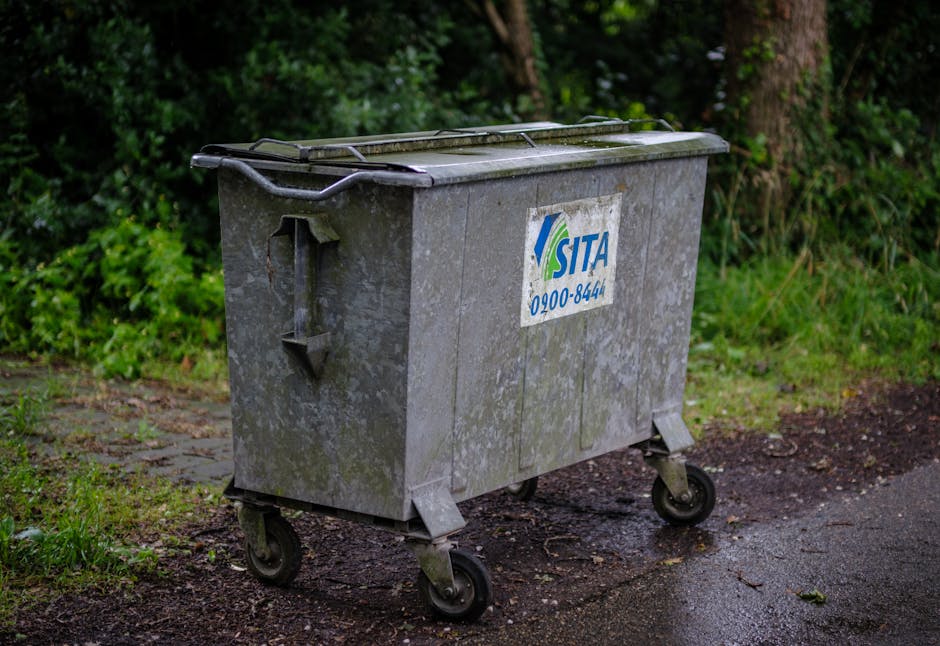
Two Rivers rubbish removal alternative to skips in Staines: a practical local guide
If you are weighing up a Two Rivers rubbish removal alternative to skips in Staines, you are probably trying to solve a very ordinary but very annoying problem: there is waste everywhere, you do not want a skip sitting outside for days, and you need the job done without drama. Fair enough. In a place like Staines, where access can be tight, parking is often awkward, and neighbours are not always thrilled by a half-filled skip on the road, a skip-free rubbish removal service can be the cleaner, simpler answer.
This guide breaks down how the alternative works, who it suits, where it beats a skip, and what to watch out for before you book. I will also cover practical decision points such as speed, access, compliance, and what happens to the waste after collection. No fluff. Just the stuff that helps you make the right call.
Why Two Rivers rubbish removal alternative to skips in Staines matters
Skips are useful, of course they are. But they are not always the best fit for homes, flats, shops, offices, or building projects around Staines and the wider Two Rivers area. The moment you need a skip permit, or you realise the space outside your property is too limited, the simple solution becomes a bit of a hassle. That is where a rubbish removal alternative starts to make real sense.
With a man-and-van style clearance, you are not renting a big metal box and waiting for it to be filled. You are booking a collection of the waste itself. That sounds like a small difference, but in practice it changes everything: access, timing, responsibility, and how much disruption you create on the day.
Two Rivers is a busy local retail and leisure area, and nearby streets can be busy too. If your rubbish is coming from a flat, a business unit, a refurbishment project, or a house clearance with awkward stair access, a skip can be an overcomplicated choice. A flexible collection service helps you clear the space without turning the pavement into a staging ground. You know the sort of thing - sacks everywhere, a wheelbarrow track across the drive, and one rogue plank you keep tripping over. Not ideal.
There is also the question of convenience. Many people do not actually want to load waste into a skip themselves. They want it removed. Full stop. If that sounds like you, then the alternative is probably the better operational choice, even if the phrase sounds a little less glamorous than "skip hire".
How Two Rivers rubbish removal alternative to skips in Staines works
The process is usually refreshingly straightforward. You make an enquiry, describe what needs removing, and arrange a collection time. Depending on the provider and the type of waste, the crew may offer an estimate in advance or confirm the load on arrival. Then they remove the items, load them safely, and take everything away for sorting, recycling, reuse, or disposal where appropriate.
For many people, the biggest advantage is that the labour is built in. You are not left doing the lifting for hours in the rain while a skip sits outside getting in the way. That is particularly helpful for bulky items, mixed household waste, builders' rubble, office clear-outs, or the kind of garage pile that somehow bred overnight.
It can also be more adaptable than a skip. A clearance team can usually work around narrow entrances, basements, upper-floor flats, shared courtyards, and time-sensitive access windows. That flexibility matters in Staines, where every property seems to have its own little access quirk. Some are fine. Some are not. Life, as ever, is a mixed bag.
If your waste stream is more specific, it helps to use the right service page rather than trying to treat everything like one generic job. For example, a builders waste clearance is handled differently from a house clearance or office clearance. That distinction matters because the right workflow saves time and reduces the chance of missed items or unsafe handling.
Key benefits and practical advantages
The main benefit is simple: skip alternatives reduce friction. But there are several practical wins hiding underneath that headline.
- No skip takes up space outside your property. That matters if parking is tight or you do not want neighbours navigating around a container for a week.
- No permit headache in many cases. If a skip would have to sit on the road, you may be dealing with permissions and timings. A collection can avoid that whole mess.
- Faster turnaround. Waste can often be removed in one visit, which is especially useful if you are working to a deadline.
- Less manual lifting for you. The team handles the heavy work, which is a big deal for bulky furniture or awkward bags.
- More flexible for mixed loads. Household clutter, DIY debris, old appliances, and business waste can sometimes be separated and removed in one organised collection.
- Better for awkward access. Narrow drives, stairs, shared entrances, and courtyard properties are often easier to manage with a collection crew than with a skip delivery.
There is also a hidden benefit that people appreciate once the job is underway: the site stays cleaner. A skip can become a magnet for rainwater, rubbish overflow, and the mysterious extra item that someone else drops in. A direct collection keeps things more controlled.
From a sustainability point of view, the real value is in proper sorting. Reputable waste removal services should separate recyclable materials where possible and route the rest through appropriate disposal channels. If recycling matters to you, it is worth asking how materials are handled, and checking the provider's recycling and sustainability approach before you book.
Expert summary: if your main goal is to clear rubbish quickly, avoid road clutter, and keep the job simple, a skip alternative often beats a skip on convenience alone. If you mainly need to fill a container over several days, a skip may still win. It depends on the shape of the job, not just the size of the pile.
Who this is for and when it makes sense
This kind of rubbish removal is a strong fit for a few common situations.
Homeowners and tenants
If you are clearing a house, flat, loft, garage, or garden, a collection service is often easier than arranging a container. That is especially true if you are dealing with furniture, boxed clutter, broken appliances, or end-of-tenancy waste. A quick home clearance can save a lot of time when you are already juggling keys, check-out dates, and the usual moving-day chaos.
Landlords and letting agents
When a property needs to be turned around fast, speed matters. Left-behind belongings, damaged furniture, and miscellaneous waste can delay cleaning and repairs. A collection service helps you reset the property without making the pavement look like a demolition zone.
Builders and trades
Smaller renovation jobs, strip-outs, and refurbishments often generate waste that does not justify a skip for days on end. In those cases, a targeted collection from a builders waste clearance team can be much more efficient. Less waiting. Less site clutter. Less chance of rubbish becoming a trip hazard.
Offices and businesses
Business waste can be sensitive, bulky, and time-bound. Maybe you are clearing old desks, packaging, or confidential material. Maybe you are just tired of the back room becoming a graveyard for old IT kit. A dedicated business waste removal service is often the cleanest route, especially if you need work done outside office hours.
People with bulky or specialised items
Some items are not just "rubbish" in the everyday sense. Mattresses, sofas, fridges, and appliances all need handling with a bit more care. If that sounds familiar, dedicated services such as mattress and sofa disposal or fridge and appliance removal can be a better match than a generic skip.
Step-by-step guidance
If you want a smooth job, a bit of preparation goes a long way. Here is a simple way to approach it.
- Identify the waste type. Separate household clutter, DIY rubble, furniture, appliances, green waste, and anything potentially hazardous.
- Decide what stays and what goes. Be strict. The single biggest time-waster is indecision on the day.
- Check access. Measure gates, stair widths, hallways, and parking constraints if needed.
- Ask about restricted items. Some waste needs specialist handling, especially chemicals, asbestos-related material, or electricals.
- Choose the right service. Match the job to the service type rather than using one generic collection for everything.
- Get a clear price structure. Ask how the cost is calculated, what affects it, and whether labour and disposal are included. The pricing and quotes page is a sensible place to start if you want to understand the process better.
- Prepare the waste for removal. Group items together, keep access routes clear, and move anything you want to keep out of the way.
- Be present if possible. It is much easier to answer questions on site than to untangle them later by phone.
- Confirm what happens next. Ask where the waste is likely to go, whether recyclable materials will be separated, and whether any paperwork is needed.
A small tip from practical experience: if you are clearing a loft or garage, start with the obvious rubbish and work outward. Otherwise, you will spend ten minutes staring at an old chair, two broken lamps, and a box of cables that may or may not still belong to something. That box is always there, somehow.
Expert tips for better results
Good rubbish removal is mostly about preparation and choosing the right level of service. A few simple habits make the whole thing easier.
- Sort before the team arrives. Mixed loads are fine, but you will usually get a cleaner, faster collection if obvious categories are grouped together.
- Keep walkways open. This sounds basic, yet it makes a surprising difference on the day.
- Flag anything unusual early. Hazardous material, sharp edges, heavy appliances, and fragile surfaces all need advance notice.
- Use photos when quoting remotely. Pictures help prevent miscommunication, especially if the waste is spread across several rooms.
- Be realistic about volume. A pile that looks manageable from one angle can be much bigger in the flesh. We have all done it.
- Ask about reuse or recycling. If items are still in decent condition, some may be suitable for reuse rather than disposal.
One quiet but useful insight: the best collections usually start with honest expectations. If you describe the waste clearly, the provider can plan the right crew, the right vehicle, and the right time window. That is what keeps things calm.
For instance, if you are clearing a property that also contains personal paperwork, you may want to combine rubbish removal with confidential shredding. It is a small detail, but in an office or home office, it can save a lot of separate organising.
Common mistakes to avoid
Most problems are avoidable. They just tend to show up at the worst possible moment.
- Assuming all waste can go together. Not everything is accepted in a mixed load, particularly hazardous or specialist items.
- Underestimating access issues. A narrow entrance or awkward parking can slow the job more than the rubbish itself.
- Leaving sorting until collection day. If you are deciding item by item while the crew waits, the job gets longer and more expensive.
- Booking the wrong service type. A furniture clear-out, garden pile, and builders waste load are not identical jobs. They just are not.
- Forgetting about compliance. Waste disposal is not the place for guesswork.
- Choosing only on price. Cheap is not cheap if the job is delayed, the waste is mishandled, or you need a second visit.
Another common issue is trying to make a skip alternative behave like a skip. If you want several days to fill a container gradually, a skip may be more suitable. If you want efficient removal with less visible mess, the collection route is usually better. Match the method to the reality of the task.
Tools, resources and recommendations
You do not need much in the way of special equipment, but a few sensible tools help the process go smoothly.
- Measuring tape. Useful for gates, doors, stair turns, and access routes.
- Phone camera. Good for taking quick photos of the waste and the access point before you book.
- Marker tape or boxes. Handy if you want to separate items to keep from items to remove.
- Gloves and sturdy footwear. Basic, but worth it if you are moving small items in advance.
- Notepad or phone notes. Useful for listing bulky items, special concerns, and anything that must be left behind.
If you are clearing bulky household pieces, you may find the specialised pages helpful. A furniture clearance service can be more suitable than a general rubbish job when most of the load is sofas, wardrobes, tables, or chairs. For a particularly awkward item, the dedicated furniture disposal page is worth checking.
For lofts, garages, and garden waste, matching the service to the setting keeps things tidy. A loft clearance is a very different beast from garage clearance or garden clearance, even if the end result is just "please remove all of this".
Law, compliance, standards, and best practice
Waste removal in the UK sits within a framework of responsibility, so it is worth being careful here. You do not need to memorise legislation to make a sensible choice, but you should understand the basics.
As a customer, the main point is that your waste should be handled by a provider that acts responsibly and can deal appropriately with the materials they collect. That includes sorting recyclable items where possible, avoiding unsafe handling, and not taking on waste that requires specialist treatment unless they are equipped to do so.
For example, hazardous materials need separate attention. Do not assume they can be thrown into a general load and forgotten about. Items such as chemicals, contaminated material, or certain construction waste may require a specialist route. If in doubt, ask first. It saves trouble later, and nobody needs more trouble.
It is also sensible to pay attention to insurance and safety practices. When people are lifting heavy items through tight spaces, things can go wrong if the work is rushed or poorly planned. A provider should be able to explain how they manage these risks. If that matters to you - and it should - have a look at their insurance and safety information and their health and safety policy.
For commercial clients, there may also be expectations around records, segregated waste, and appropriate handling of confidential or sensitive material. When you are clearing an office, a mixed load can contain old files, broken chairs, IT equipment, and packaging all in one go. That is exactly the sort of situation where a bit of planning pays off.
Options, methods, and comparison table
Here is a simple comparison to help you decide whether skip hire or rubbish removal is the better fit.
| Option | Best for | Main advantages | Possible downsides |
|---|---|---|---|
| Skip hire | Longer projects, ongoing loading over several days | Good for gradual filling, familiar option, can suit builders | Takes space, may need a permit, loading is your responsibility |
| Rubbish removal / man and van clearance | Quick clear-outs, bulky items, awkward access, mixed loads | No skip sitting outside, labour included, fast and flexible | Less suitable if you want to load gradually over time |
| Specialist item disposal | Appliances, mattresses, sofas, or sensitive waste streams | Better handling for specific items, often more efficient | Not a one-size-fits-all solution |
If you are still deciding, a useful rule of thumb is this: choose a skip if the job is slow, predictable, and space is not an issue. Choose rubbish removal if access is tight, the waste is already gathered, or you want the place cleared quickly and tidily.
For people comparing service types, the page on what can go in a skip can also be useful because it highlights the sort of items people often misjudge. Even if you end up choosing a skip alternative, that knowledge helps you avoid surprises.
Case study or real-world example
Imagine a small flat near Two Rivers after a tenancy ends. There is a worn sofa, a broken bedside table, two bags of mixed clutter, a mattress, and some old small appliances that have been sitting around far too long. The tenant has moved out. The landlord wants the flat cleaned and turned around quickly. There is limited parking, and the access is through a shared stairwell.
A skip would be possible, but not elegant. It could take up curb space, require extra logistics, and leave the landlord dealing with a half-finished container while cleaners wait around. Instead, the cleaner option is a direct waste collection with the items grouped in advance. The team arrives, removes the load in one go, and the flat is ready for the next stage much sooner.
That same logic applies to a small office refresh. A few old desks, some packaging, a printer that has finally given up, and several bags of mixed waste do not always justify a skip. A targeted clearance is often quicker, especially if the office needs to remain open during the day. It keeps the entrance clear and avoids the odd look from people trying to navigate around a skip with a coffee in one hand. Not the end of the world, but still.
What makes these examples work is not magic, just good matching. The method fits the job.
Practical checklist
Use this quick checklist before booking a rubbish removal alternative in Staines.
- Have you identified exactly what needs removing?
- Have you separated anything you want to keep?
- Do you know whether any items need specialist handling?
- Have you checked access, parking, stairs, and doorway widths?
- Do you know whether the load includes furniture, appliances, or builders waste?
- Have you asked about recycling and disposal routes?
- Have you reviewed pricing and what is included?
- Do you need a specific service such as flat clearance, garage clearance, or office clearance?
- Have you prepared the area so the crew can work safely and efficiently?
- Have you confirmed the booking details and contact arrangements?
If you can tick most of those off, you are in good shape.
Conclusion
A Two Rivers rubbish removal alternative to skips in Staines is often the smarter choice when you want less disruption, faster clearing, and a more flexible way to deal with mixed or bulky waste. It is especially useful where access is awkward, space is limited, or you simply do not want a skip taking over the street while you work around it.
The key is to match the method to the job. If you are clearing a home, office, garage, loft, garden, or a smaller building project, direct rubbish removal can feel simpler from start to finish. And to be fair, simple is underrated. It saves time, reduces stress, and gives you back the space sooner.
If you are comparing options now, check the service that best fits your waste type, review pricing clearly, and make sure the provider handles materials responsibly. That way you get the convenience without the guesswork.
Get a free quote today and see how much you can save.
Frequently Asked Questions
What is the best alternative to a skip in Staines?
For many jobs, a rubbish removal collection service is the best alternative to a skip because it includes the lifting, loading, and transport in one visit. It is especially useful for tight access or fast turnaround.
Is rubbish removal cheaper than skip hire?
Sometimes yes, sometimes no. It depends on the volume of waste, the type of items, and whether labour is included. A collection service can be more cost-effective when you want the job done quickly and do not need a skip for several days.
Do I need a permit for a rubbish removal service?
Usually not, because the vehicle is not left on the road the way a skip might be. That said, access and parking still need to be workable on the day.
Can I use a skip alternative for builders waste?
Yes, in many cases you can. Smaller renovation loads often suit a collection-based builders waste clearance service very well.
What items are not suitable for general rubbish removal?
Hazardous waste, certain chemicals, and some specialist materials may need separate handling. It is always best to mention unusual items in advance so the provider can advise properly.
Is it better for flats and apartments?
Often yes. Flat clearances can be much easier with a collection service because you avoid placing a container outside and can work around stairwells or shared entrances.
Can furniture be taken away without a skip?
Absolutely. Sofas, wardrobes, tables, chairs, and mattresses are commonly removed without using a skip, often through dedicated furniture or bulky item services.
How quickly can rubbish be removed?
In many cases, quite quickly. Timing depends on availability, access, and the size of the load, but the process is usually faster than organising a skip over multiple days.
What happens to the rubbish after collection?
It is typically sorted for recycling, reuse, or appropriate disposal depending on the material type. If sustainability matters to you, ask how the provider handles mixed waste.
Can I book rubbish removal for a business?
Yes. Offices, shops, and other commercial premises often use rubbish removal for clear-outs, refurbishments, and periodic waste disposal. A service such as business waste removal is a good fit for that.
What if I only have one or two bulky items?
That is actually one of the best use cases for a skip alternative. A mattress, sofa, fridge, or appliance can usually be removed without the cost and disruption of hiring a skip.
How do I choose the right service for my property?
Think about the waste type, the access, how quickly you need it gone, and whether the items are mixed or specialised. If your situation is straightforward, a general waste removal service may be enough; if not, pick a more specific clearance option.