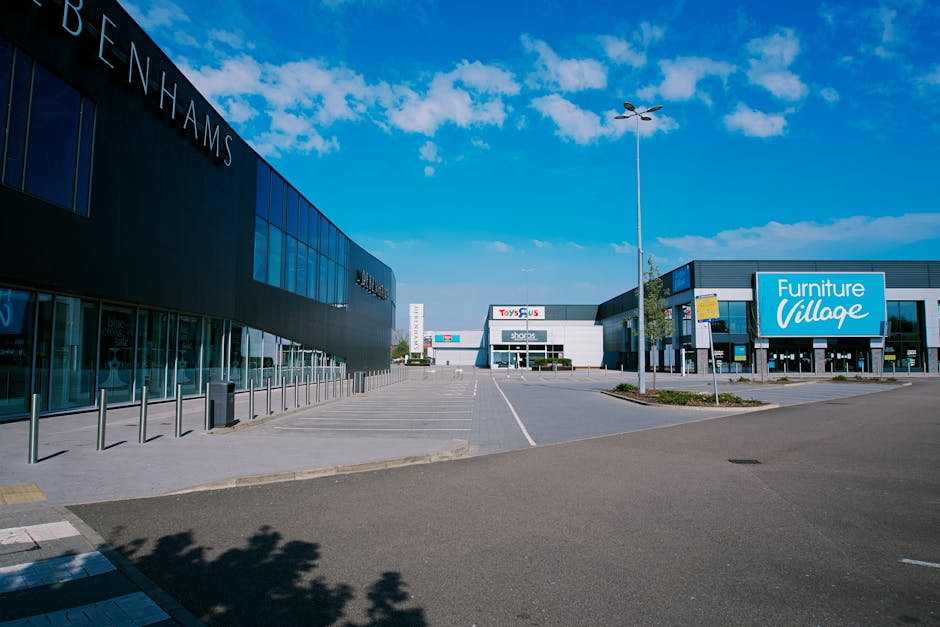
Elmsleigh Centre commercial rubbish collection for shops Staines
If you run a shop in or near the Elmsleigh Centre, rubbish has a way of piling up faster than you expect. Cardboard from deliveries, broken packaging, old display materials, food waste from concessions, end-of-line stock, and the odd bulky item can turn a tidy retail space into a headache by closing time. That is exactly why Elmsleigh Centre commercial rubbish collection for shops Staines matters: it keeps the shop floor clear, reduces stress for staff, and helps businesses stay presentable and practical day after day.
This guide breaks down how collection works, who it suits, what to watch out for, and how to choose a sensible approach for your shop. You will also find a checklist, a comparison table, and straight-talking advice based on how real retail waste tends to behave in busy UK shopping areas. Let's face it, nobody wants to spend a Saturday morning wrestling with flattened boxes and a jammed stockroom door.
Table of Contents
- Why Elmsleigh Centre commercial rubbish collection for shops Staines Matters
- How Elmsleigh Centre commercial rubbish collection for shops Staines Works
- Key Benefits and Practical Advantages
- Who This Is For and When It Makes Sense
- Step-by-Step Guidance
- Expert Tips for Better Results
- Common Mistakes to Avoid
- Tools, Resources and Recommendations
- Law, Compliance, Standards, or Best Practice
- Options, Methods, or Comparison Table
- Case Study or Real-World Example
- Practical Checklist
- Conclusion
- Frequently Asked Questions
Why Elmsleigh Centre commercial rubbish collection for shops Staines Matters
Retail waste is different from household waste. It is usually more frequent, more varied, and often generated at awkward times. Shops in a centre like Elmsleigh may deal with constant deliveries, quick turnover packaging, daily housekeeping waste, seasonal promotions, and occasional items that are too large or awkward to manage through ordinary bins. If collection is not planned properly, it can spill into customer areas, fire exits, stockrooms, and back-of-house access routes.
That creates more than an untidy impression. It can interrupt trading, slow staff movement, attract pests, and make routine cleaning harder. In a shared retail environment, it can also affect neighbours. One overflowing bin can quickly become everybody's problem, and frankly that is never a fun conversation with the centre team or the landlord.
For shops in Staines, reliable collection supports the basics: a safe workspace, a better customer experience, and a more orderly opening and closing routine. It also helps a business keep control over the little things that tend to become big things. A stack of packaging left "just for today" often becomes a weekly eyesore. We have all seen that happen.
There is also a sustainability angle. Retailers increasingly want to reduce avoidable waste, separate recyclables where possible, and keep reusable materials out of general rubbish. A sensible collection service supports that aim without turning staff into amateur waste managers. If you are already thinking about wider business disposal needs, it can help to look at business waste removal and the wider approach to waste removal so your shop is not handling each type of waste in isolation.
Expert takeaway: the best commercial rubbish collection is not just about clearing bags. It is about protecting trading space, reducing operational friction, and making waste predictable instead of disruptive.
How Elmsleigh Centre commercial rubbish collection for shops Staines Works
In practical terms, commercial rubbish collection is a scheduled or on-demand service that removes retail waste from the shop, back room, loading area, or designated collection point. For shops near the Elmsleigh Centre, the process usually starts with assessing the type and volume of waste, how often it appears, and whether any items need special handling.
Some collections are simple. Think mixed packaging, bagged rubbish, and cardboard. Others are more complicated. A shop might need to clear a damaged fixture, an old fridge, confidential paperwork, or a faulty appliance after a refit. That is where a broader service range matters. For example, a retailer with back-of-house storage issues may also need fridge and appliance removal or even confidential shredding if records are building up behind the counter.
The collection itself is usually straightforward. Waste is gathered, sorted if required, loaded safely, and taken away for responsible disposal or recycling. The point is to keep the process quick and predictable so the shop can get back to trading. Ideally, staff should not have to spend half a shift dragging bags through customer areas or storing cardboard in places that should really be used for stock.
Depending on the business, the job may be a one-off clearance after a refit, a periodic collection after delivery days, or part of a regular waste routine. A practical provider should be able to work around opening hours, access constraints, and loading rules. If your shop has awkward access or you need a broader commercial clearance, it can help to compare it with office clearance for administrative spaces and builders waste clearance after shop improvements or fit-out work.
Key Benefits and Practical Advantages
The most obvious benefit is a cleaner shop. But the real value goes a bit further than that. When waste leaves the premises regularly and on time, the whole operation tends to run more smoothly. Staff waste less time moving rubbish around, stock can be stored properly, and the business presents a sharper image to customers.
Here are the practical advantages most shop owners notice first:
- Better shop presentation: customers are less likely to see clutter, overflow, or unpleasant smells.
- Improved staff efficiency: teams can focus on sales and service instead of waste juggling.
- Reduced health and safety risk: clear walkways and exits matter in any retail space.
- More reliable back-of-house space: stockrooms stay usable instead of becoming temporary dumping grounds.
- Flexible handling of different waste types: from cardboard and general rubbish to bulky items and specialist disposal.
- Less disruption during busy periods: collections can be planned around deliveries, promotions, and closing time.
There is a quieter advantage too: peace of mind. Once waste collection is organised properly, it stops being a daily worry. That sounds small, but over a month it adds up. A shop that is not constantly dealing with rubbish is usually calmer, tidier, and easier to manage.
If budget is part of the decision, it is sensible to review pricing and quotes alongside the type of collection you actually need. Cheap is not always cheap if staff are doing extra labour or if collections are too infrequent. Sometimes the sensible option is the one that prevents repeat mess.
Who This Is For and When It Makes Sense
This service is a strong fit for a wide range of retail and customer-facing businesses around the centre. In particular, it is useful for:
- fashion and accessories shops
- convenience stores and small grocers
- beauty, health, and personal care retailers
- gift shops and seasonal pop-ups
- phone, electronics, and tech retailers
- cafes or snack outlets with retail-style waste from packaging and stock
- shops preparing for a refit, change of stock, or end-of-season clearance
It also makes sense if your waste is uneven. Some weeks are quiet; other weeks bring a mountain of packaging after a delivery or campaign launch. That stop-start pattern can be awkward for standard bins, especially if staff are left trying to squeeze oversized material into the wrong container. Truth be told, that is where many shops start improvising.
Retailers usually need this service when one or more of the following happens:
- Waste is filling up faster than the current system can handle.
- Cardboard and packaging are taking over the stockroom.
- Bulky items need removing after a refresh or repair.
- Staff are spending too much time managing rubbish instead of serving customers.
- The premises need a one-off clearance before inspection, handover, or reopening.
If the waste problem is mostly old furniture or display items, the right route may be more specific, such as furniture disposal or furniture clearance. That is often more efficient than treating everything as generic rubbish.
Step-by-Step Guidance
If you are setting up a waste collection plan for a shop, keep it practical. Fancy systems are lovely until the Tuesday delivery turns up and nobody can find the right bin. A simple, workable process usually beats a complicated one.
1. Identify your waste streams
Start by listing what your shop actually throws away. Separate cardboard, plastic wrap, general rubbish, damaged stock, obsolete displays, and any specialist items. This makes it easier to choose the right collection method and avoid contamination.
2. Measure volume and timing
Notice how much waste builds up after deliveries, promotions, or busy trading days. A rough pattern is enough. You do not need a laboratory spreadsheet. You just need enough information to avoid overfilling bins or booking collections too late.
3. Decide what needs special handling
Some items should not go into ordinary commercial rubbish. Appliances, sharps, hazardous materials, and confidential documents need a different plan. If your business ever stores chemicals, aerosols, cleaning agents, or similar items, review hazardous waste disposal before anything is moved.
4. Choose a collection format
Decide whether your shop needs one-off rubbish collection, periodic clearances, or a broader ongoing waste solution. If waste is frequent but not huge, regular collections may work best. If you are clearing old stock or updating the shop layout, a one-off clearance is often the easier route.
5. Prepare the waste properly
Bag general rubbish, flatten cardboard where possible, and keep different waste types apart. Label anything that could cause confusion. Staff should not have to guess what is safe to move and what is not.
6. Arrange access and timing
Make sure the collection point is clear, accessible, and safe. If your shop is in a busy retail setting, early morning or post-closing collection often works better. That way you are not wheeling sacks past customers with a trolley that squeaks like a guilty conscience.
7. Review and adjust
After the first few collections, ask what is working. Too much waste left behind? Not enough sorting? Collection timing too late? Small tweaks usually fix these issues quickly.
Expert Tips for Better Results
Small improvements make a big difference in retail waste management. In our experience, the shops that stay neat are not necessarily the ones with the biggest back rooms. They are the ones that treat waste as part of daily operations, not as an afterthought.
- Flatten cardboard immediately. It saves space, reduces trip hazards, and keeps the stockroom calmer.
- Place separate bins for mixed waste and recyclables. Even a basic split can reduce contamination.
- Schedule collections around delivery days. That is when waste tends to spike.
- Keep a small overflow plan. A designated temporary holding area is better than random corners.
- Train staff on what cannot go in general rubbish. A five-minute briefing can prevent expensive mistakes.
- Use one owner for waste decisions. If everyone is responsible, sometimes no one is. Funny how that works.
- Link waste review to stock checks. Old packaging, broken fixtures, and damaged items are often discovered together.
If your shop handles seasonal retail stock, think ahead before busy periods. Christmas, summer sales, and end-of-line clearouts can overwhelm ordinary collection habits. A short review before those peaks can save a lot of last-minute scrambling.
It is also worth checking how your broader waste policy fits with sustainability goals. The page on recycling and sustainability is useful if you want to keep more material out of general waste and make better use of what can be recycled.
Common Mistakes to Avoid
Most waste problems in shops are not dramatic. They are usually the result of small, repeated oversights. The good news? They are fixable.
- Waiting until bins are overflowing. By then the issue is already affecting staff and customers.
- Mixing recyclable and non-recyclable materials carelessly. That makes disposal harder and less efficient.
- Leaving bulky items in staff areas for "later". Later often becomes next week.
- Ignoring specialist waste rules. Not everything belongs in a standard bag or skip.
- Forgetting access routes. A collection plan is only useful if waste can actually be reached safely.
- Underestimating the impact of packaging. Retail packaging expands fast. One delivery can create a surprising pile.
One of the more common issues is assuming a service will automatically "know what to do". In reality, a clear brief helps everyone. If there are strict access times, loading bay restrictions, or a preference for certain waste separated from others, say so early. It avoids awkward surprises, which nobody enjoys at 8:15 in the morning.
Tools, Resources and Recommendations
You do not need a complicated toolkit to manage shop rubbish well. A few practical items and habits make all the difference.
- Colour-coded bins or sacks: useful for separating general waste, cardboard, and recyclables.
- Clear labels: especially helpful in shared staff areas and stockrooms.
- Waste log or checklist: keeps track of collection days, overflow issues, and repeat problems.
- Box cutters and flattening tools: simple, but very effective for managing packaging.
- Safe storage area: a designated place for waste before collection keeps the shop floor cleaner.
For shops dealing with old storage stock, fixtures, or stockroom clutter, it may be worth looking at services beyond day-to-day waste. A planned clearance can sometimes be more efficient than a slow, piecemeal clear-out. If that sounds familiar, the pages on office clearance and business waste removal are useful starting points.
Where the issue is old shop fittings or worn-out display items, a one-off removal can be a cleaner solution than trying to piece things out over several collections. That is especially true when storage is tight, which, to be fair, is most retail stockrooms.
Law, Compliance, Standards, or Best Practice
Retailers should handle waste in line with normal UK duty-of-care expectations. In plain English, that means you need to store waste safely, keep it from causing nuisance or danger, and make sure it goes to an appropriate destination. It is also sensible to keep good records of collections, especially if you produce varied or specialist waste.
For shops, best practice usually includes:
- keeping clear walkways and fire exits
- separating waste types where practical
- using suitable containers and secure storage
- avoiding contamination of recyclable material
- making sure staff know how to handle awkward or hazardous items
If your premises deal with any potentially risky material, take extra care. The same applies if you have heavy items, appliances, or sharp edges. A service with a strong focus on health and safety policy and insurance and safety gives you a better foundation for day-to-day reassurance.
Compliance is not about being over-formal. It is about reducing avoidable problems. A tidy waste process protects staff, supports customers, and helps the business avoid embarrassing messes or needless disruption. Simple enough, really.
Options, Methods, or Comparison Table
There is no single best way to manage shop waste. The right option depends on volume, frequency, space, and what kind of material you generate. Here is a simple comparison to help narrow it down.
| Method | Best for | Pros | Watch out for |
|---|---|---|---|
| Regular commercial rubbish collection | Ongoing shop waste, packaging, general rubbish | Predictable, tidy, easy for staff | Needs planning and routine |
| One-off clearance | Refits, stockroom resets, seasonal clearouts | Fast, simple, removes bulk quickly | Not ideal for constant waste flow |
| Mixed waste plus recycling separation | Shops with steady cardboard and packaging waste | Can reduce general waste volume | Requires staff discipline |
| Specialist item removal | Appliances, furniture, confidential materials, hazardous items | Safer and more appropriate handling | Must be matched to the right service |
In some cases, a combination works best. A shop might use routine rubbish collection for everyday waste, plus separate arrangements for appliances or old furniture. If you are clearing an awkward item, look at the more specific route first rather than forcing it into the wrong category. That usually saves time in the long run.
Case Study or Real-World Example
Imagine a small fashion shop near the Elmsleigh Centre preparing for a seasonal reset. The team has fresh stock arriving, sale rails to remove, piles of cardboard from recent deliveries, and a storage corner full of damaged display pieces. Nothing dramatic. Just the sort of situation that slowly becomes a nuisance.
On Monday, staff start by separating cardboard from general rubbish and bagging the rest. They identify one broken shelving unit, a few old display props, and a fridge in the back room that no longer works. They book a clearance that fits the shop's quieter trading window and arrange the waste to be ready before opening.
The result is not glamorous, but it is effective. The stockroom is easier to use, the front of house feels more spacious, and staff stop working around the rubbish every time they turn. That kind of reset can make a shop feel sharper almost immediately. You notice the difference when you walk in the next day. The air feels lighter, the floor is clearer, and the whole place just works better.
If that scenario sounds familiar, the same principles apply whether the issue is a one-off cleanup or a recurring waste pattern. And if there are appliances involved, a tailored service like fridge and appliance removal is usually the safer choice than leaving it sitting in the corner for another week.
Practical Checklist
Use this checklist before arranging collection or scheduling a shop clearance.
- Have you identified all waste types in the shop?
- Are cardboard and recyclables separated where possible?
- Have you set aside any specialist items for separate handling?
- Is the collection point clear and easy to reach?
- Have staff been told what can and cannot go out with general rubbish?
- Are loading times or access restrictions known in advance?
- Do you know whether you need a one-off or recurring collection?
- Have you checked for bulky items, appliances, or confidential material?
- Is there a temporary overflow area that does not block customers or exits?
- Do you have a clear point of contact for the collection day?
Quick rule of thumb: if an item is heavy, awkward, sharp, electrical, or sensitive, pause and check the right disposal route before moving it.
Conclusion
For shops around the Elmsleigh Centre, commercial rubbish collection is less about "getting rid of waste" and more about keeping the business easy to run. When waste is handled properly, the shop feels calmer, cleaner, and more professional. Staff have space to work. Customers see order, not clutter. And the day runs with fewer little irritations piling up.
The best approach is usually a practical one: know your waste types, separate what you can, choose the right collection method, and keep things consistent. That is really the heart of it. No drama. No overthinking. Just a system that works.
If you are reviewing your current setup or planning a reset, take the time to compare your options carefully and use the service that matches your actual needs, not just the nearest generic fix. A small amount of planning now can save a lot of noise later. And that is a pretty good trade.
Get a free quote today and see how much you can save.
Frequently Asked Questions
What is Elmsleigh Centre commercial rubbish collection for shops Staines?
It is a waste collection service designed for retail businesses that need regular or one-off removal of rubbish, packaging, bulky items, or specialist waste from shop premises in the Staines area.
How often should a shop arrange rubbish collection?
It depends on trade volume, delivery frequency, and storage space. Some shops need collections weekly or more often, while others only need them after deliveries, promotions, or seasonal changes.
Can cardboard and packaging be collected with general rubbish?
Sometimes yes, but it is usually better to separate cardboard and recyclable packaging where possible. That keeps the waste stream cleaner and often makes the whole process more efficient.
What types of shop waste are commonly removed?
Typical items include bagged rubbish, cardboard, broken displays, damaged stock, old shelving, packaging, and sometimes appliances or confidential paperwork if those are handled separately.
Do shops near Elmsleigh Centre need special handling for appliances?
Yes, appliances should usually be handled as a separate item type. Fridges, freezers, and similar units are better dealt with through a specific appliance removal route rather than general rubbish.
Is one-off clearance better than regular collection?
It depends on the problem. One-off clearance works well for refits, stockroom resets, or end-of-season clearouts. Regular collection is better for ongoing waste from day-to-day trading.
How can a shop reduce waste collection problems?
Flatten cardboard quickly, separate waste types, brief staff on what goes where, and schedule collections around delivery days. A little routine goes a long way.
What should not go into general commercial rubbish?
Hazardous items, certain electrical items, confidential documents, and anything that poses a safety risk should be handled separately. If in doubt, check the disposal route before moving it.
Can waste collection be arranged outside trading hours?
Often yes, and that is usually preferable for busy shops. Early morning or after closing can reduce disruption and help keep customers clear of loading areas.
How do I know whether my shop needs a clearance or waste removal?
If the issue is ongoing rubbish from trading, waste removal is usually the right fit. If you are clearing out stock, fittings, displays, or a back room in one go, a clearance is often more suitable.
Why is safety important in shop waste collection?
Because cluttered walkways, heavy items, and poorly stored waste can create trip hazards, obstruct exits, and make day-to-day work harder. Safe collection keeps the shop practical and helps protect staff and visitors.
Where should I start if I want to improve my shop's waste setup?
Start by listing the waste you generate each week, then identify what can be separated, what needs special handling, and how often collection is really needed. From there, it becomes much easier to build a sensible routine.
And if you want to understand the business behind the service a little better, you can also read about the team on the about us page or review the terms and conditions before booking. Sometimes that extra bit of clarity makes all the difference.